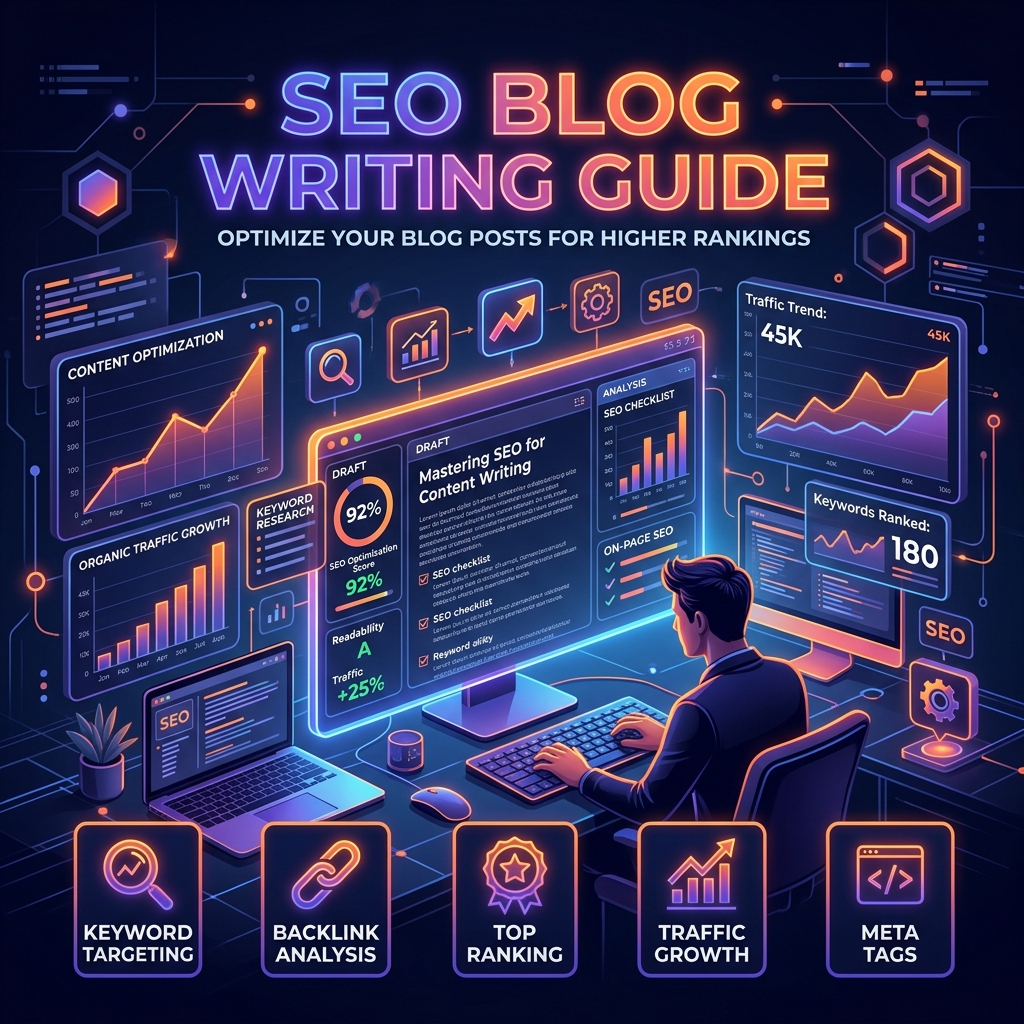
Writing a successful blog post requires a strategic blend of engaging storytelling, technical precision, and comprehensive search engine optimization (SEO). Whether you are building an online presence for your brand or driving organic search traffic to your platform, mastering search-optimized blogging is essential for sustainable growth.
In this guide, we break down every critical aspect of modern SEO blog writing into actionable points—from initial keyword research to advanced technical optimization and link building.
1. Keyword Strategy & Search Intent Alignment
Before typing a single sentence, your content strategy must begin with rigorous keyword research and understanding user intent.
- Target Primary & Secondary Keywords: Select one main target keyword (e.g., how to write a blog post) and 3–5 long-tail secondary variations.
- Analyze Search Intent: Determine whether users are looking for an informational guide, commercial review, or quick transactional solution. Match your content format to their expectation.
- Evaluate Search Volume & Difficulty: Balance high-volume target terms with low-competition long-tail keywords to establish topical authority faster.
2. On-Page SEO Essentials
On-page SEO guarantees search engine crawlers understand your topic hierarchy and relevance.
- SEO Title Tag: Craft an enticing H1 title containing your target keyword near the beginning, kept strictly between 50–60 characters.
- Engaging Meta Description: Write a concise, click-worthy meta description under 155 characters with a clear call-to-action (CTA).
- Clean URL Slug: Use short, keyword-rich, hyphen-separated URL structures (e.g.,
/blogs/how-to-write-a-blog-post-seo-masterclass/). - Structured Heading Hierarchy (H1, H2, H3, H4): Break your article logically using single
<h1>for the main title,<h2>for major sections, and<h3>for sub-points. - Content Depth & Word Count: Provide exhaustive, high-value coverage that thoroughly answers user queries (typically 1,500–2,500+ words).
3. Semantic SEO & Topic Clustering
Modern search engines like Google look beyond exact keyword matches to evaluate overall topical authority and conceptual depth.
- Integrate LSI Keywords: Naturally incorporate Latent Semantic Indexing (LSI) terms and industry-specific entities related to content creation and search ranking.
- Build Topic Clusters: Link sub-topic articles back to your central pillar page to create a robust internal network.
4. Structure, Readability & User Experience (UX)
Search engines prioritize user engagement signals such as dwell time, bounce rate, and scroll depth.
- Skimmable Paragraphs: Keep paragraphs to 2–4 sentences maximum to enhance mobile readability.
- Visual Elements & Bullet Points: Use bulleted lists, key takeaways callout boxes, and bold text to highlight essential information.
- Table of Contents: Include jump links for effortless navigation through lengthy guides.
5. Image Optimization & Technical Alt Text
Images improve engagement and open additional organic traffic channels through Image Search.
- Descriptive File Names: Rename image files to descriptive, hyphenated keywords before uploading (e.g.,
seo-blog-writing-guide.png). - Comprehensive Alt Text: Provide contextual, screen-reader friendly alternative text containing target keywords.
- Image Compression & Next-Gen Formats: Compress images using WebP or PNG compression to ensure rapid page load speeds.
6. Strategic Internal & Inbound Linking
Linking establishes domain authority and guides crawlers through your ecosystem.
- High-Value Inbound Links: Anchor relevant anchor text pointing to main authority hubs such as VoidOnyx Infrastructure & Cloud Solutions.
- Contextual Internal Links: Connect related tutorials, documentation, and product offerings within your website to distribute link equity seamlessly.
- Authoritative External References: Cite reputable industry sources to back statistics and claims.
7. Essential SEO Tools Stack
Leverage industry-standard tools to streamline research, track performance, and audit optimization:
- Google Keyword Planner: Ideal for foundational search volume research, seed keyword discovery, and CPC competition benchmarking.
- Ahrefs: Comprehensive platform for backlink auditing, competitor content gap analysis, and keyword difficulty tracking.
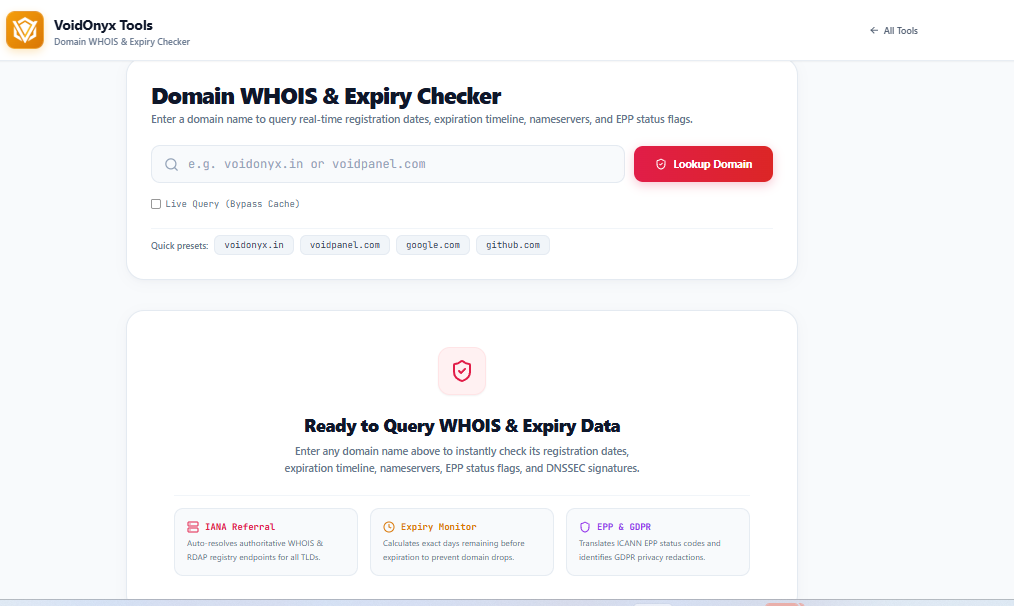
- VoidOnyx SEO Suite: Comprehensive all-in-one SEO and auditing engine available via VoidOnyx and VoidOnyx Free Tools Platform for real-time website audits, rank monitoring, and performance insights.
- Google Search Console: Essential for monitoring indexing status, technical errors, and organic search impressions.
8. Core Web Vitals & Technical Performance
Technical site health forms the foundation of all SEO efforts.
- Mobile-First Optimization: Ensure fully responsive UI design across desktop, tablet, and mobile displays.
- Fast Page Loading: Optimize server response times, leverage browser caching, and minimize render-blocking scripts.
- SSL Security (HTTPS): Maintain secure SSL encryption for data protection and search engine trust signals.
9. E-E-A-T & Off-Page Authority Building
Google evaluates Experience, Expertise, Authoritativeness, and Trustworthiness (E-E-A-T) when ranking content.
- Author Bio & Credentials: Showcase real author profiles with expertise in digital marketing and software development.
- Digital PR & Backlinks: Secure high-quality contextual backlinks from industry publications and authoritative domains.
- Social Sharing & Signals: Encourage content distribution across technical forums, social channels, and professional networks.
Conclusion: Writing a high-ranking blog post requires a balanced execution of deep research, structured writing, and continuous optimization. By implementing these points and pairing them with powerful audit tools like the VoidOnyx SEO Suite, you can reliably attract, engage, and convert organic search traffic.